learnVoice & sound
AI voice clone character video: the in-pass path vs the two-step pipeline
What a voice-cloned character actually costs on ReelDouble — in-pass audio on the generative engines, the ElevenLabs-plus-lip-sync pipeline alongside, and the credit math.
by reeldouble · October 19, 2026 · 7 min read
Every "AI voice clone character video" article you'll find online walks you through the same two-step pipeline. Clone a voice on ElevenLabs. Render a character on an engine that does not ship audio. Send the two files to Sync.so, HeyGen or a lip-sync service, pay per clip, download the merged render. The pipeline works and it is popular — because none of the engines those articles cover ship audio and lip-sync in the same generation at a credit rate that includes it.
Two engines on our shelf do. Kling O3 Pro and Seedance 2.5 both render voiced dialogue in-pass; a third, Veo 3.1 Fast, does the same at 4–8 seconds. "In-pass" is the real distinction, and the credit math moves significantly when the lip-sync is a feature of the render instead of a separate step.
I'll give you both paths, the shots each is actually for, the credit math on a real character scene, and the one setup that pays for itself on episode three.
The two paths, in one table
| step | in-pass path (our shelf) | two-step pipeline |
|---|---|---|
| voice | voiced-second rate on the engine | ElevenLabs or similar, usually $5–$22/mo |
| render | engine quotes voiced and silent on the same picker | engine renders silent at the engine's rate |
| lip-sync | happens in the same generation | separate service (Sync.so, HeyGen) per clip |
| additional cost | zero on top of the voiced rate | per-clip fee or a subscription |
| latency | one generation | two services, two round-trips |
| rework | re-render the engine | re-render both services separately |
The in-pass path is one row on the picker. The two-step pipeline is three subscriptions, four files per shot, and a tool chain you'll outsource once the volume justifies it.
What a voice-cloned character scene costs on our shelf
A ten-second close-up of a locked character delivering a line, 720p voiced, element-referenced. The number the picker prints before you press render:
| engine | voiced rate | credits for 10s | at Lite 1c/credit | at Creator 0.75c/credit |
|---|---|---|---|---|
| Kling O3 Pro | 30 cr/s | 300 | $3.00 | $2.25 |
| Veo 3.1 Fast (8s cap) | 30 cr/s × 8s + 30 cr/s × 2s (two renders) | 240 + 60 = 300 | $3.00 | $2.25 |
| Seedance 2.5 (one take) | 70 cr/s | 700 | $7.00 | $5.25 |
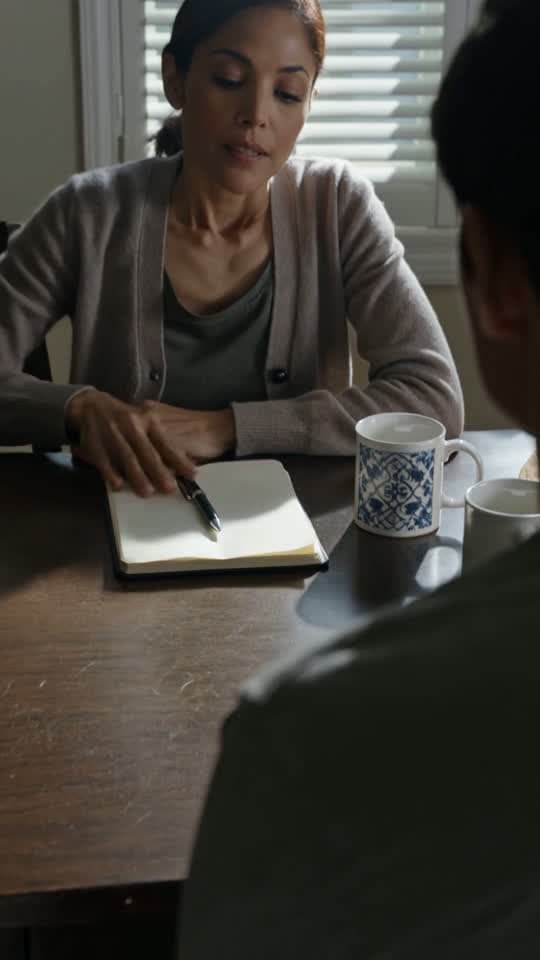
A 10-second voiced close-up on Kling is one render, 300 credits, with the audio and the lip-sync in the same pass. The character's identity is bound to @Element1 and the voice is cast directly into the render through the engine's audio flag. No ElevenLabs account, no second service, no file-passing.
The ElevenLabs-plus-Sync pipeline for the same ten seconds, as competitors publish it: $5–$22/mo for the voice subscription, then per-clip lip-sync — a shelf of services that quote $0.50 to $2 per clip depending on provider. The two-step pipeline is cheaper on raw voice compute but adds subscriptions, latency, and a per-clip meter on top of the generation.
Our math says the two-step pipeline wins in exactly one place: when the voice is a studio-grade clone of a real human the engines will not render natively. The in-pass path wins everywhere else at the price of two credits a second.
Where the in-pass path works
Kling O3 Pro for the character work. 30 credits a voiced second at 720p is the cheapest voiced-and-lip-synced second on the shelf. The engine binds the voice to @Element1 directly, and across six shots in an episode the same voice ships with the same character without a per-clip sync fee. Fifteen seconds is the one-generation cap, so a 30-second scene is two 15-second shots joined — the join is almost always invisible on a close-up.
Seedance 2.5 for the long one-take. For a shot that is 20 or 30 seconds in one unbroken take with voiced dialogue, Seedance 2.5 is the engine. 70 credits a voiced second at 720p is the premium — about $7 for a 10-second shot on Lite, less on Creator — and the audio is always on because the provider does not toggle it. The one row where the voiced-second rate does not come down for a silent b-roll shot.
Veo 3.1 Fast for the short opener with native audio. 30 credits a voiced second at 720p, lip-sync accurate to roughly 120 milliseconds (per the Veo 3.1 writing dated 2026-10-19 in our research log), and 4, 6 or 8 seconds in one render. For the opener where a character turns and says a single line, Veo at 8 seconds for 240 credits is the sharpest render on our shelf.
Where the two-step pipeline still earns its keep
A specific real human the engines will not render. Seedance's provider blocks reference images containing realistic human faces absent identity verification, as noted in the research we checked today. For a scene where the voice is a verified real person and the engine refuses the face reference, the pipeline splits: render the character with a stylised or verified likeness, clone the voice on ElevenLabs, lip-sync as a third step. The split is not aesthetic preference; it is a workflow forced by the provider's policy.
A voice that lives across many brands. If the same cloned voice is going to be used across six separate shows on three separate shelves, keeping the voice in a dedicated service like ElevenLabs centralises the asset. The in-pass path is cheaper per clip but the voice lives inside the engine's render, not as a reusable asset outside it.
A render that must be voiced in multiple languages. The engines on our shelf render one voice per generation; a dubbing pipeline that drops twelve language tracks over the same silent render runs a tool chain the in-pass path does not replace. For a video that will ship in English, Spanish and Portuguese separately, render once silently and send to a dubbing service. The silent render on Kling at 24 credits a second is 20% cheaper than the voiced one, and the dubbing step runs over the top.
The character + voice setup that pays for itself on episode three
One reference pack, locked. Four angles of the character — frontal, three-quarter left, three-quarter right, back — plus the one piece of clothing the audience will recognise. Save the pack in the picker as a named element on Kling and as the first five of the thirty image slots on Seedance 2.5. The pack is one upload; by episode three it has rendered twenty times and the engine's memory of the identity is tighter than any single prompt can describe.
One voice descriptor, written once. For voiced in-pass renders on Kling and Seedance 2.5, the voice descriptor sits in the prompt — tone, pace, timbre, accent. Writing the descriptor once at the top of the first prompt and copying it unchanged across every subsequent prompt is how the voice stays recognizable across six episodes. The engines are not perfect at voice continuity, but a locked descriptor is the best single thing you can do.
One silent b-roll pass per episode on Kling. The 20% silent discount on Kling turns b-roll into a budget line that pays for an extra voiced shot. A fifteen-second silent reaction cut at 360 credits instead of 450 is a 90-credit saving every episode; across a quarter, four episodes a month, that is more than a thousand credits saved — one voiced 15-second Kling scene for free.
The credit math on a weekly voiced-character channel
Six-scene episode. Four Kling voiced scenes (28 seconds total), one Veo 8-second voiced opener, one Seedance 2.5 15-second one-take at 720p.
| step | detail | credits |
|---|---|---|
| writer: six scene-card prompts | 6 × 5 | 30 |
| storyboard: six 4-second 480p drafts | 6 × 4 × 25 | 600 |
| Veo opener 8s voiced 720p | 8 × 30 | 240 |
| Kling scenes, 28s voiced 720p | 28 × 30 | 840 |
| Seedance 2.5 15s voiced 720p | 15 × 70 | 1,050 |
| caption (free on Creator up) | 1 min × 8 | 8 |
| export | flat | 20 |
| episode total | 2,788 |
$27.88 on Lite, $20.91 on Creator. Four episodes a month on Creator fits in the 6,000-credit grant with 2,000 left over for retakes and alternate takes; the same four episodes with ElevenLabs ($22/mo) plus a per-clip lip-sync service at $1 per shot (6 shots × 4 episodes × $1) adds $46 of fixed costs on top of a comparable engine spend. On our shelf, the whole chain is one plan.
Our own 9.7 million views across 30 days on @cevrico came from leaning on the in-pass path for every character scene and reserving the two-step pipeline for a very specific set of shots the engines refuse. Own results — your numbers will depend on which engine the shot wants and how much work the voice has to carry. A free account comes with 300 credits, which is enough for one Kling 10-second voiced close-up with element lock, which is the smallest honest version of this workflow. Open the shelf and cast a voice.